


What Is Raw Honey and Why It Matters
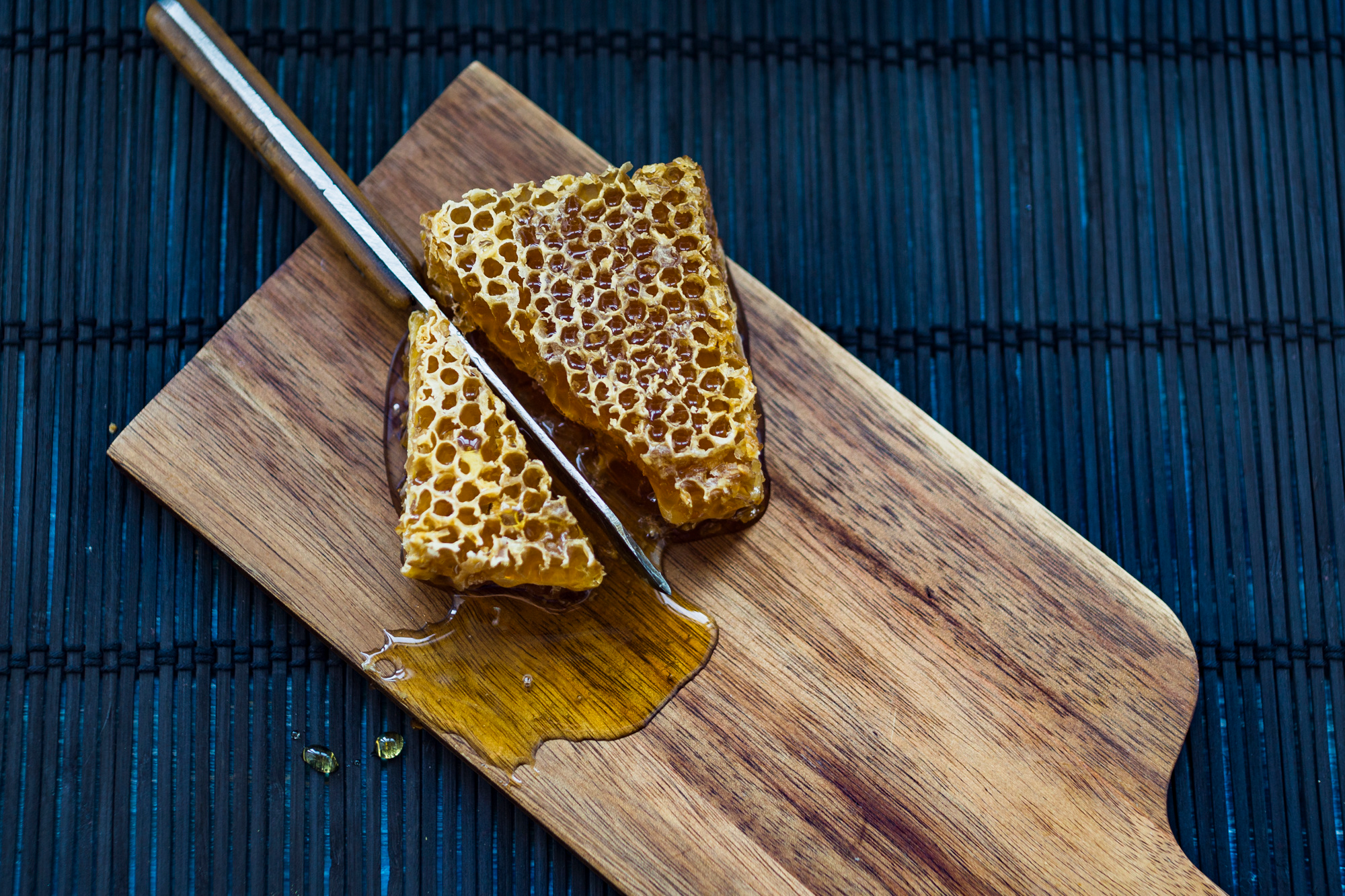
Table of Contents
- Introduction: What Makes Raw Honey Different?
- Raw Honey Defined
- From Hive to Jar: Minimal Processing
- Natural Components You Still Get
- 'Natural' Isn't Always Raw: Decoding Labels
- What 'Natural' Means Legally
- Key Claims: Pure, Organic, Unfiltered
- Why Raw Matters for Health & Authenticity
- Nutrient & Enzyme Advantages
- Risks of Over-Processed Honey
- Spotting the Real Deal in Stores
- Visual & Texture Cues
- Label & Source Checklist
- Quick Takeaways
- Frequently Asked Questions
- References
SummaryRaw honey is unheated, unfiltered honey taken directly from the hive. Many jars marked 'natural' or 'pure' are still pasteurized and stripped of beneficial compounds. This article explains what sets raw honey apart from processed varieties, how to read a label accurately, what the science says about nutrient retention, and how to identify genuine, unprocessed honey at the store. |
Introduction: What Makes Raw Honey Different?
What is raw honey? It is unprocessed, unpasteurized honey straight from the hive. If the jar says "natural," that tells you almost nothing about how it was handled. Understanding what raw honey is and what processing strips out is the difference between buying something real and buying something reassuringly labeled.
This article covers the raw honey definition, how common marketing terms mislead buyers, the measurable advantages of unprocessed honey, and how to verify what you are holding in a store aisle.
Raw Honey Defined
Raw honey is honey that has not been heated above 45°C (113°F) or subjected to ultrafiltration. Raw honey retains enzymes, bee pollen, propolis, and antioxidants that pasteurization destroys. Crystallization in raw honey is a quality indicator, not a defect.
From Hive to Jar: Minimal Processing
The process is direct: honeycomb is extracted, lightly strained to remove debris such as wax fragments and bee parts, and then bottled. No heat above 45°C (113°F) is applied. Ultrafiltration is skipped entirely. The result is honey that may contain visible specks of wax, air bubbles, and pollen particles. Those are not impurities; they are evidence of minimal handling.
Natural Components You Still Get
Raw, unprocessed honey preserves a range of bioactive compounds that pasteurization degrades:
- Glucose oxidase (produces hydrogen peroxide with antimicrobial properties)
- Bee pollen (over 250 bioactive substances)
- Propolis (natural resinous compound from the hive)
- Polyphenol antioxidants, including flavonoids and phenolic acids
- Amino acids and trace minerals
These compounds are what give raw honey its flavor complexity and its association with health benefits in research literature.
"Natural" Isn't Always Raw: Decoding Labels
The word "natural" on a honey label tells you almost nothing about processing. Here is what the term actually means.
What "Natural" Means Legally
The FDA has no formal definition of "natural" for honey. In practice, it means no added color or artificial flavoring. Honey can be heated above 45°C, ultrafiltered, and blended with foreign honey and still carry a "natural" label. A jar of supermarket honey labeled "100% Natural Honey" may have been heated to 65°C or higher to extend shelf life and improve appearance. The label is technically accurate and practically uninformative for a buyer who cares about enzyme retention.
Research shows that heating honey above 45°C destroys beneficial enzymes and increases hydroxymethylfurfural (HMF), a heat-damage marker. The Codex Alimentarius sets a maximum of 80 mg/kg for HMF in tropical honeys. None of that is reflected in a "natural honey" claim.
Key Claims: Pure, Organic, Unfiltered
These terms each mean something specific, and none is a synonym for raw:
- Pure: 100% honey with no added sweeteners, but may be pasteurized and filtered
- Organic: Certified farming practices regarding pesticide use and forage areas; says nothing about heat treatment
- Unfiltered: Minimally strained, which is consistent with raw processing, but the honey may still have been heated
To verify claims, look for explicit temperature statements, pollen content disclosures, single-source or single-origin labeling, and the absence of ultrafiltration language in fine print.
Why Raw Matters for Health & Authenticity
The measurable difference between raw and processed honey is in what survives handling. Enzyme activity, antioxidant content, and floral traceability are all reduced or eliminated by heat and ultrafiltration. Adulteration with corn or rice syrups removes regional flavor entirely and severs any connection to the source. Children under 12 months should not consume any honey, raw or processed.
Nutrient & Enzyme Advantages
Raw honey contains up to 30 different types of polyphenol antioxidants. The enzyme glucose oxidase produces hydrogen peroxide, which has antimicrobial properties. Studies indicate that raw honey has up to four times higher antioxidant levels than processed varieties.
A peer-reviewed study found that microwave liquefaction reduced phenolic compound concentrations in honey by 31.1-35.5% at standard power levels, while ultrasound treatment caused 48.5% losses. Those are laboratory findings on heat and ultrasound treatment, not clinical outcomes, but they illustrate how processing affects composition.
Risks of Over-Processed Honey
Heat treatment eliminates pollen and degrades enzymes. Adulteration with corn syrup or rice syrup increases volume at the expense of authenticity. Processed honey tastes broadly the same regardless of floral source because the compounds that carry regional character have been removed or diluted.
For a product like Himalayan Treasures Honey, sourced from Castanea species above 3,500 meters in Nepal, that terroir distinction is the entire point. Ultrafiltration would erase it.
|
Did You Know? |
Spotting the Real Deal in Stores
Identifying genuine raw honey on the shelf is simpler than most shoppers expect. Two quick checks cover the essentials.
Visual & Texture Cues
Raw honey signals to look for:
- Cloudy or opaque appearance (pollen and fine particles scatter light)
- Crystallization present or visible at the edges (raw honey crystallizes faster, typically within weeks to months at room temperature)
- Wax particles or pollen specks visible in the jar
- Thick, slow-pouring viscosity
Endlessly clear, free-flowing honey has almost certainly been ultrafiltered and heated. For an at-home test: leave a jar at room temperature (ideally around 55 to 60°F / 13 to 15.5°C). Raw honey will crystallize. Processed honey often stays liquid for months.
Label & Source Checklist
Look for these on the label:
- "Raw," "unpasteurized," or "unfiltered" stated explicitly
- Single-source or single-origin designation
- Country of origin (preferably traceable to a specific region or producer)
- No pasteurization statement in fine print
- QR codes or batch numbers linking to sourcing data
Himalayan Treasures Honey uses blockchain-based batch traceability. Every jar links to its harvest origin. That is the standard to hold other products to.
|
Common Buying Mistake |
Quick Takeaways
The key differences between raw and commercially processed honey, including what raw honey is and how to identify genuinely raw honey when shopping.
- Raw honey is unheated (below 45°C) and minimally strained, retaining enzymes, pollen, and antioxidants.
- Pasteurization and ultrafiltration remove the compounds that make honey distinctive.
- "Natural" and "pure" labels do not indicate raw processing.
- At the shelf: look for cloudiness, crystallization, and explicit "raw" or "unpasteurized" language.
Frequently Asked Questions
-
Is chestnut honey raw and unfiltered?
Chestnut honey can be raw, but the term "chestnut" describes the floral source, not the processing method. A chestnut honey is raw only if it has not been heated above 45°C and has been minimally strained. To verify, check the label for "raw," "unpasteurized," or "unfiltered" language. Cloudiness and visible crystallization are positive indicators. If the label only says "chestnut honey" with no processing claims, assume it may have been pasteurized.
-
Why is raw honey better than regular honey?
Regular honey is pasteurized (heated above 45°C/113°F) and often ultrafiltered. That process removes bee pollen, degrades enzymes like glucose oxidase, and reduces polyphenol antioxidant levels. Raw honey retains those compounds along with propolis and over 250 bioactive substances found in bee pollen. It also preserves the regional flavor character that pasteurization erases.
-
Is raw honey safe for children?
Children under 12 months should not consume any honey, raw or processed. The CDC states that honey given to infants under 12 months may cause botulism, a severe form of food poisoning caused by Clostridium botulinum spores. Infants' gastrointestinal tracts are not mature enough to handle these spores. The botulism risk applies equally to all honey forms. Older children and adults with healthy immune systems can safely consume raw honey.
-
How do I soften crystallized raw honey?
Crystallization is a natural process and a quality indicator in raw honey. To restore a liquid consistency, place the jar in a warm water bath and heat gently, keeping the water temperature below 45°C (113°F). Avoid microwave heating. Crystallized honey is safe to eat as-is.
-
Does raw honey expire?
Honey does not expire when stored properly. It is approximately 80% sugars and 17 to 20% water. That sugar concentration draws moisture out of microbial cells, inhibiting growth. Honey's average pH of 3.9 is below the 4.6 threshold at which most pathogenic bacteria cannot survive. Store it sealed, at room temperature, away from moisture.
Disclaimer:
The information provided is for educational purposes only. Any references to health properties or traditional uses are not medical claims. Please consult a healthcare professional before making dietary or health-related decisions.
References
- https://www.scu.edu.au/media/scu-dep/research/documents/Crystalisation-Fact-Sheet-Final-cs-pw02092024.pdf
- https://pmc.ncbi.nlm.nih.gov/articles/PMC8614671/
- https://www.ncbi.nlm.nih.gov/pmc/articles/PMC9861181/
- https://www.cdc.gov/infant-toddler-nutrition/foods-and-drinks/foods-and-drinks-to-avoid-or-limit.html
- https://ucanr.edu/program/uc-master-food-preserver-program/article/whats-buzz-infants-and-honey-september-2025