


Himalayan Honey for Sale: Limited Annual Supply
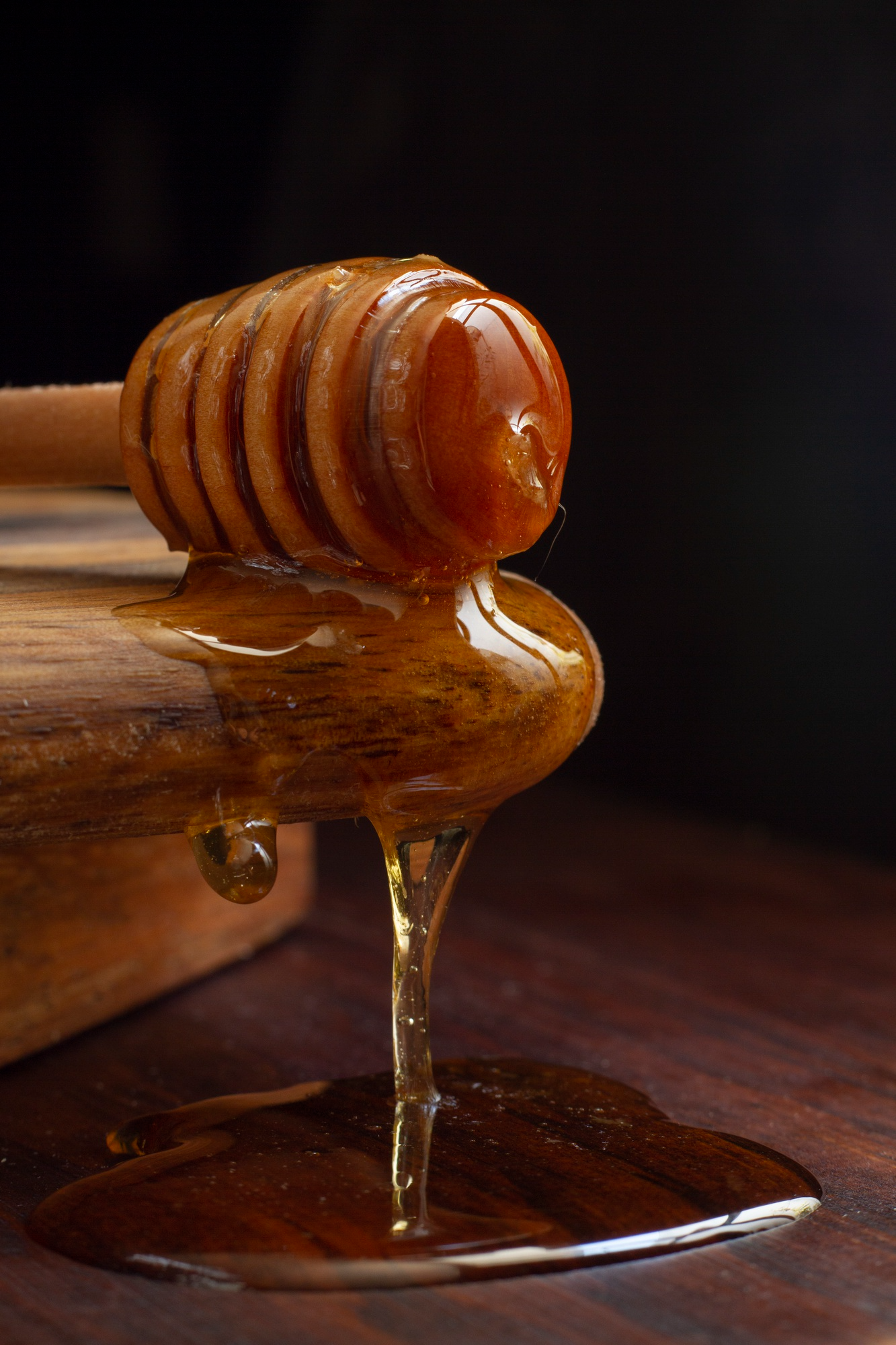
Table of Contents
- What Makes Himalayan Chestnut Honey So Rare?
- Limited Batch: Yield, Purity Tests & Pricing
- Taste Notes & How to Use Himalayan Raw Honey
- Ethical & Sustainable Harvesting Practices
- Buy Himalayan Honey Online: Options, Shipping & Returns
- Subscription & Bulk Purchase Programs
- Frequently Asked Questions
- References
SummaryThe 2025 Mârani chestnut harvest yielded 180 jars, collected between 2,500 and 3,000 meters in the Nepalese Himalayas. This page covers what makes that supply so limited, what independent lab testing confirms, how the honey tastes and pairs, and how to order before stock runs out. Single jars, gift packs, bulk cases, and subscription options are all available. |
The 2025 chestnut harvest produced exactly 180 jars of Mârani Chestnut Honey. Himalayan honey for sale at this altitude comes from a single annual bloom, collected by a bee species found nowhere else on earth at this elevation. This page explains sourcing, lab results, and all available purchase formats, from a single jar to a wholesale case. Worldwide shipping with cold-pack protection is included.
What Makes Himalayan Chestnut Honey So Rare?
Chestnut honey is a monofloral varietal, meaning bees collect primarily from Castanea species during a single bloom period. It differs from wild forest honey, which is multifloral, and from mad honey, which derives from rhododendron nectar and carries distinct psychoactive compounds. Mârani is neither.
The bee doing the work here is Apis cerana. It nests exclusively on vertical rock faces between 2,500 and 3,000 meters. Nest sites at these elevations are occupied for a maximum of four months per summer. That is the entire production window.
Nepal is the only country producing honey across elevations from 70 to 4,200 meters. The Mârani harvest zone occupies a narrow slice of that range. At 2,500 to 3,000 meters, the chestnut bloom is brief, the terrain is steep, and A. cerena is the only species equipped to forage there.
The result is a deeply constrained annual yield. Mainstream commercial apiaries produce honey across multiple harvests and hundreds of hives. The 2025 Mârani harvest yielded 180 jars. The color runs from dark amber to near-black. The aroma is woody and tannic, with earthy depth. Flavor is assertive, with the persistent bitterness characteristic of chestnut varietals.
Limited Batch: Yield, Purity Tests & Pricing
The 2025 harvest was completed in October. Collection sites are GPS-logged and available on request. Independent lab testing covers moisture content, HMF levels, and pesticide screening. A downloadable PDF of the Certificate of Analysis (COA) is available at checkout.
Purity benchmarks used for COA evaluation:
|
Purity metric |
International standard |
Benchmark |
|---|---|---|
|
Moisture content |
USDA Grade A |
≤18.6% |
|
HMF (hydroxymethylfurfural) |
Codex Alimentarius CXS 12-1981 |
≤40 mg/kg |
|
Pesticide screening |
Third-party lab panel |
Pass/Fail |
|
Diastase activity |
Codex Alimentarius CXS 12-1981 |
≥8 DN |
Research suggests that chestnut honey tends to have lower HMF values and higher diastase activity than other monofloral varieties, reflecting freshness and minimal heat exposure during processing.
Taste Notes & How to Use Himalayan Raw Honey
Mârani chestnut honey is dark and assertive. Sensory panel analysis by the DLG (Deutsche Landwirtschafts-Gesellschaft) recorded certified descriptors for sweet chestnut honey, including woody, spicy/clove/vanillin, coffee/chocolate, and caramel/toasted notes. Bitterness is documented as a defining characteristic of the varietal. Sweetness intensity is lower than that of acacia or wildflower honey.
Serving suggestions:
- Spoon over aged Manchego or Gruyère before a dinner party board
- Stir into black coffee or strong black tea in place of sugar
- Glaze duck breast or lamb chops in the final five minutes of roasting
- Drizzle over plain full-fat Greek yogurt with toasted walnuts
- Use as a base for vinaigrette alongside whole-grain mustard
Research associates dark monofloral honeys, such as chestnut, with higher mineral concentrations, including potassium and manganese. A 2024 mineral review found that 20 g of honey may provide between 1% and 15% of the Recommended Dietary Allowance for manganese, selenium, zinc, and copper.
|
Did You Know? Unlike standard commercial honey, chestnut honey naturally contains higher levels of tannins and phenolic compounds, which contribute to its slightly bitter finish and darker color. That bitterness is often considered a marker of authenticity among experienced honey buyers. |
Ethical & Sustainable Harvesting Practices
Gurung beekeepers in Nepal have harvested A. cerana hives from cliff faces as high as 300 feet using bamboo ladders and long poles. The traditional practice involves taking only part of each hive, leaving sufficient comb for the colony to rebuild.
Conservation research indicates that A. cerana inhabits approximately 2,500 kilometers along the southern Himalayan range. Over-harvesting and habitat loss have caused documented population decline. The Mârani harvest schedule includes a seasonal rest period for colonies and rotates collection sites to prevent strain on any single cliff face.
Processing uses zero-heat filtration, preserving native enzymes. All jars are BPA-free glass. Protecting A. laboriosa populations and the traditional knowledge of Gurung communities is a condition of the sourcing partnership.
|
Mistake to Avoid When Storing Raw Honey Do not refrigerate raw Himalayan honey. Cold storage speeds up crystallization and can make the texture grainy much faster. Instead, keep the jar tightly sealed in a cool, dry cupboard away from direct sunlight to preserve flavor and consistency. |
Where to Buy Himalayan Honey Online: Options, Shipping & Returns
You can buy Himalayan honey directly through this page. All orders are labeled "Product of Nepal" per FDA country-of-origin requirements, and the COA download at checkout confirms the floral source per FDA CPG 515.300 guidance. You can buy Mârani Himalayan honey in three formats:
- Single jar
- 3-pack (with percentage savings over single-jar price)
- 12-jar case (bulk discount applies)
Shipping, packaging, and return policies are designed to support both domestic and international orders while protecting the honey during transit.
- Domestic orders ship within 2 to 4 business days
- International orders ship within 5 to 10 business days
- Cold-pack inclusion available at checkout for warm-climate destinations
- 30-day return window from delivery date; breakage replaced at no charge
Conclusion
With only 180 jars produced from the 2025 harvest, this is one of the most limited releases of Himalayan chestnut honey available this year. Harvested from remote cliffside colonies of Apis cerana between 2,500 and 3,000 meters, Mârani combines verified purity testing, traditional Gurung harvesting practices, and a flavor profile rarely found in commercial honey.
If you are searching for authentic Himalayan honey for sale, this release offers traceable sourcing, third-party lab verification, and a genuinely small-batch annual yield. Whether you choose a single jar, a gift pack, or a bulk case, securing your allocation early is recommended before the 2024 batch sells out.
Frequently Asked Questions
-
Where can I buy authentic Himalayan chestnut honey?
Authentic Himalayan chestnut honey for sale is available directly through himalayantreasures.com. Mârani is sourced from Gurung beekeeping communities in Nepal's subalpine zone and harvested between 2,500 and 3,000 meters. Each batch comes with a third-party Certificate of Analysis confirming purity, moisture content, and pesticide screening.
-
Can I buy chestnut honey in bulk?
Bulk purchasing is available for retailers and specialty food shops. The 12-jar case option is open to individual buyers. Wholesale case pricing with dedicated minimum order quantities is available for commercial accounts. Early reservation for the 2025 harvest batch is also possible through the subscription program.
-
What's the rarest chestnut honey I can buy?
Mârani Reserve is the rarest option in the Himalayan Treasure Honey range. It is selected from batches in which the KYNA (kynurenic acid) value exceeds 550 mg per kilogram, indicating higher chestnut purity and a more restricted share of the total annual yield.
-
What is the shelf life of Himalayan honey?
Properly stored Himalayan raw honey has an indefinite shelf life due to its low moisture content and natural antimicrobial properties. Keep jars sealed, stored at room temperature, and away from direct sunlight. Crystallization is normal and does not indicate spoilage. Gently warming the jar in warm water restores a pourable consistency without damaging the honey's enzymes or active compounds.
-
Do you ship chestnut honey internationally?
International shipping is available for all Himalayan honey for sale. Orders ship within 5 to 10 business days to most destinations. Cold-pack packaging is available at checkout for buyers in warm climates. All export shipments are labeled "Product of Nepal" with full country-of-origin documentation. Contact customer service before ordering if you need to confirm customs requirements for your specific country.
Disclaimer:
The information provided is for educational purposes only. Any references to health properties or traditional uses are not medical claims. Please consult a healthcare professional before making dietary or health-related decisions.